
29 May 2026 at 12:11
Schema Therapy
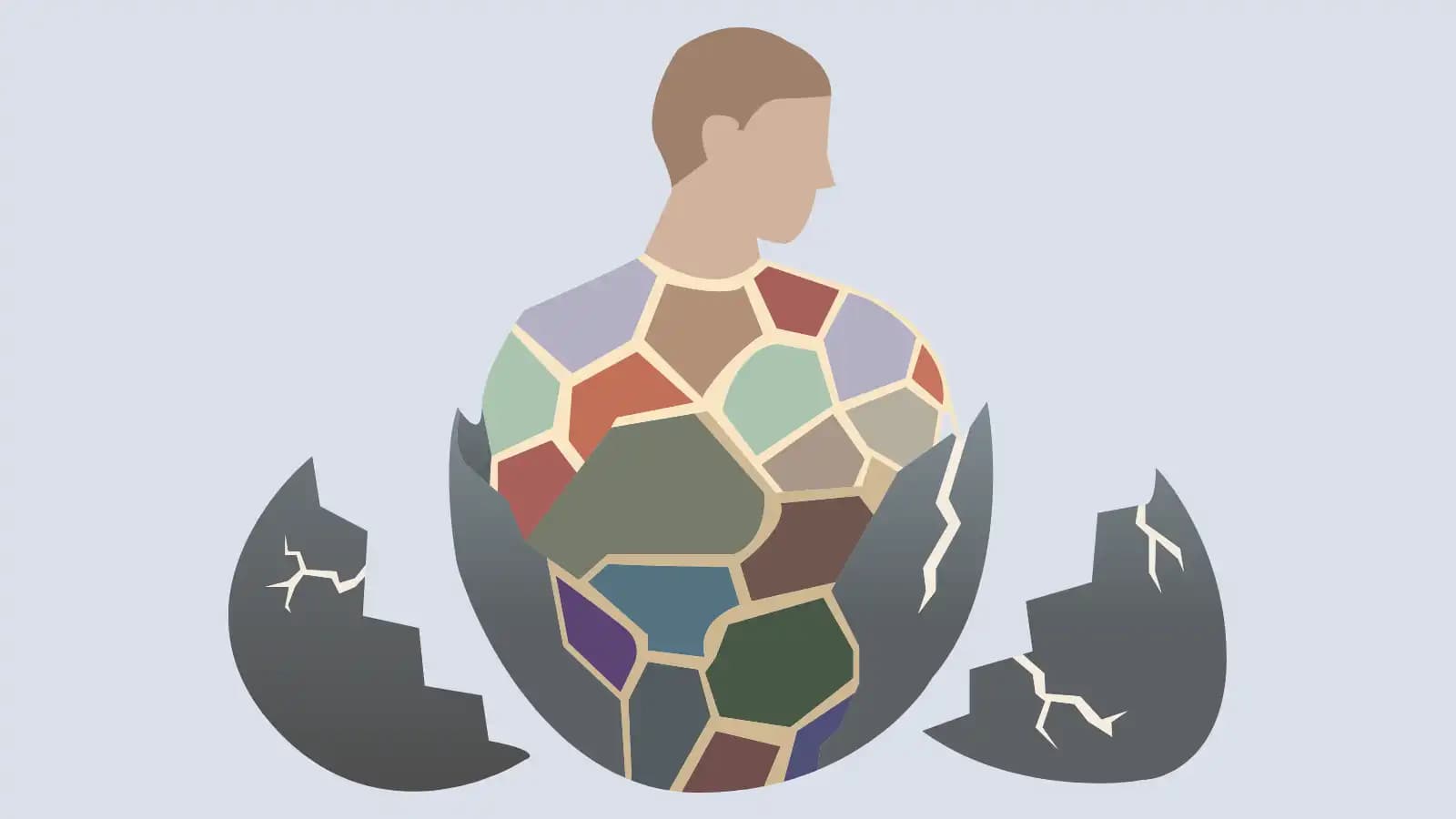
About Schema Therapy
Aims to identify deep-rooted emotional patterns (schemas) originating in childhood, transforming recurring cycles such as fear of abandonment, emotional deprivation, and inadequacy.
Early Maladaptive Schemas: The Origins of Emotional Patterns
At the center of Schema Therapy are “early maladaptive schemas.” These schemas may develop as a result of childhood experiences such as neglect, criticism, excessive control, insecurity, emotional deprivation, or conditional acceptance. Over time, they can become deeply rooted structures that shape how individuals perceive and respond to life events.
For example, some individuals may:
- Experience a persistent fear of abandonment,
- Feel inadequate or unworthy,
- Struggle to trust others,
- Seek constant approval,
- Experience intense anxiety in close relationships,
- Find themselves trapped in repetitive relationship patterns.
Schema Therapy emphasizes that these patterns are not only influenced by present-day experiences, but are also shaped by unresolved emotional experiences from the past. Throughout the therapeutic process, automatic reactions, emotional responses, and interpersonal patterns are explored in depth.
Schema Modes: Understanding Emotional States
One of the key concepts in Schema Therapy is “schema modes.” Schema modes refer to emotional states, thinking patterns, and coping responses that emerge in specific situations. Modes such as the vulnerable child mode, punitive parent mode, or overcompensating coping styles help explain how individuals respond to stressful experiences and emotional triggers.
This approach aims to explore not only thoughts, but also emotional needs, internal conflicts, and behavioral patterns. As a result, the therapeutic process offers a deeper and more holistic understanding of psychological difficulties.
The Therapeutic Relationship and Emotional Healing in Schema Therapy
Schema Therapy is one of the therapeutic approaches that places strong importance on the healing role of the therapeutic relationship. During therapy, clients are encouraged to understand emotional wounds rooted in past experiences, recognize unmet needs, and develop healthier coping strategies. Cognitive, behavioral, and emotion-focused techniques may be integrated throughout the process.
Imagery exercises, emotional regulation techniques, experiential interventions, and the exploration of daily life patterns are among the methods frequently used in Schema Therapy. The goal is not only to reduce current symptoms, but also to support individuals in transforming the way they relate to themselves and others.
Schema Therapy may be particularly supportive for individuals who:
- Experience recurring relationship difficulties,
- Struggle with intense fears of abandonment or rejection,
- Continue to feel the effects of childhood experiences in adulthood,
- Have difficulties related to self-worth,
- Experience chronic emotional emptiness,
- Struggle with intense anxiety, guilt, or shame.
Schema Therapy provides a comprehensive psychotherapeutic framework that helps individuals understand the connection between past experiences and present-day emotional patterns, while supporting the development of healthier relationships and a more balanced emotional life.