
Psychological Approaches
The psychological approaches that guide my practice.
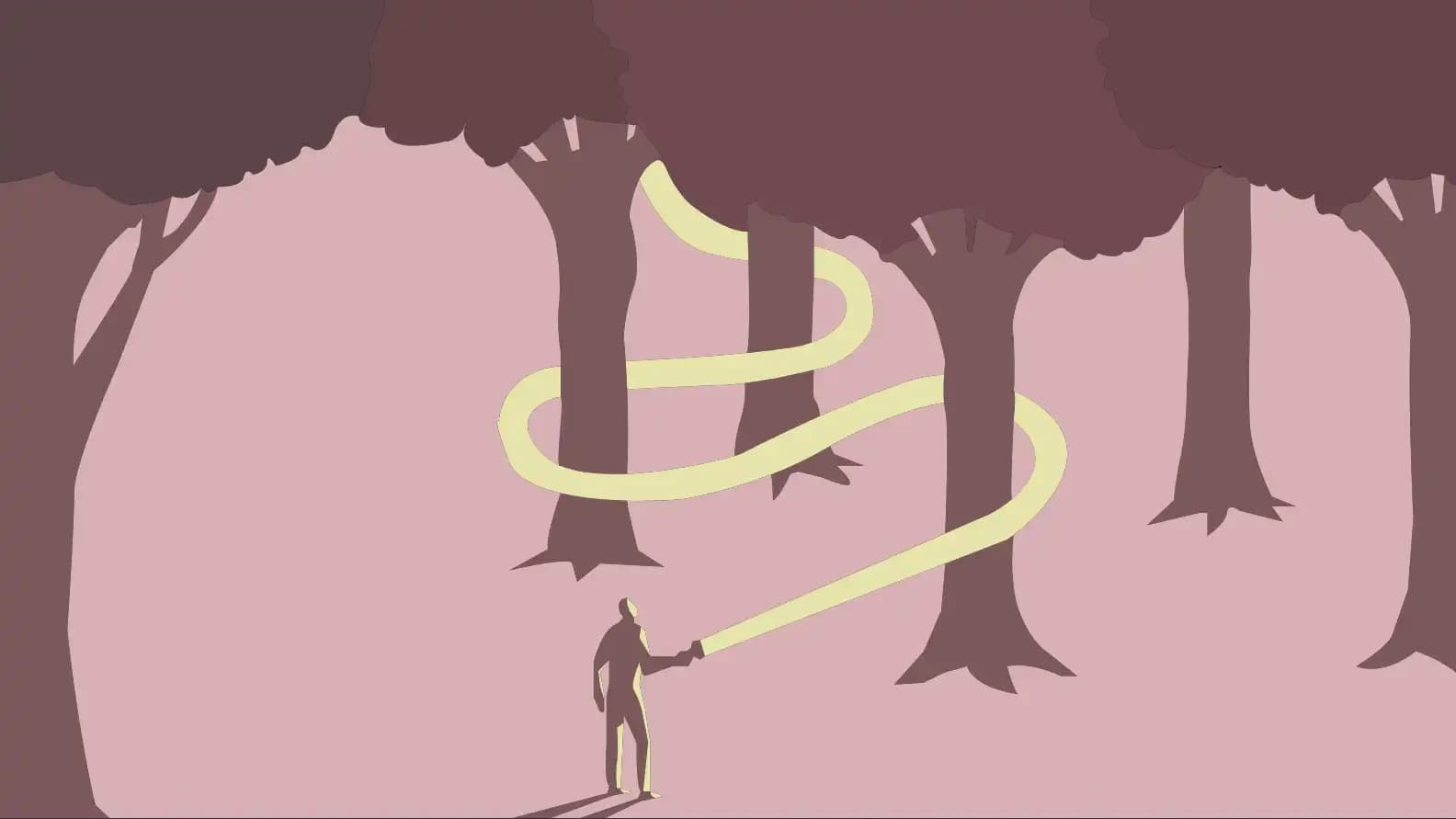
Person-Centered Approach
A humanistic modality focusing on individual potential and inner resources. It offers a safe, non-judgmental therapeutic space grounded in empathy and unconditional positive regard.
Detailed information →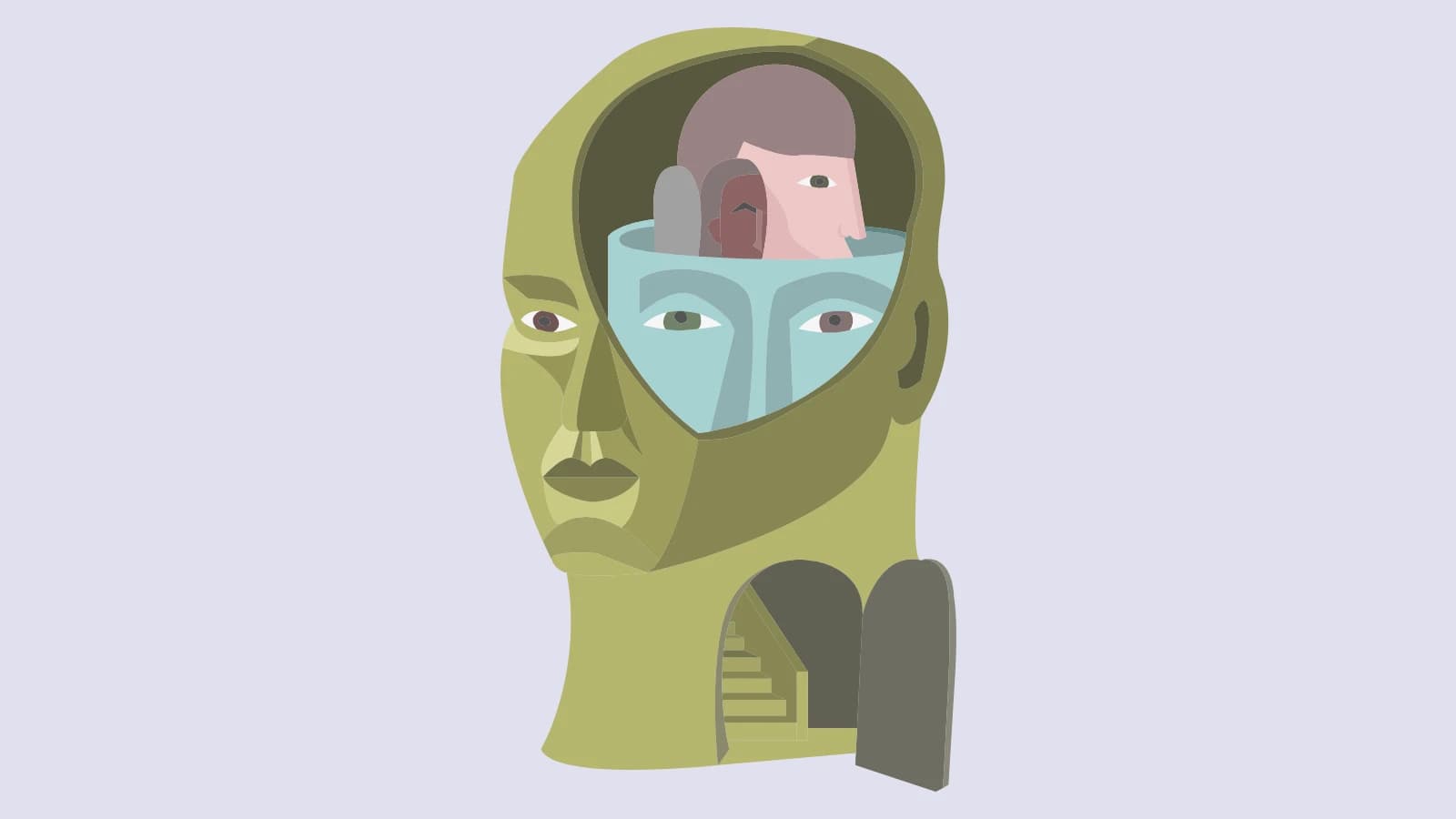
Psychodynamic Approach
Explores how past experiences and unconscious processes shape present relationship patterns, emotional conflicts, and recurring relational dynamics.
Detailed information →
Schema Therapy
Schema Therapy is an integrative psychotherapy approach that focuses on understanding and transforming deep emotional patterns developed during childhood and adolescence. It aims to address recurring relationship difficulties, fear of abandonment, feelings of worthlessness, and chronic emotional distress.
Detailed information →
Cognitive Behavioral Therapy (CBT)
Examines the interconnectedness of thoughts, emotions, and behaviors. Utilizes evidence-based, structured interventions to reframe unhelpful beliefs and improve daily functioning.
Detailed information →