
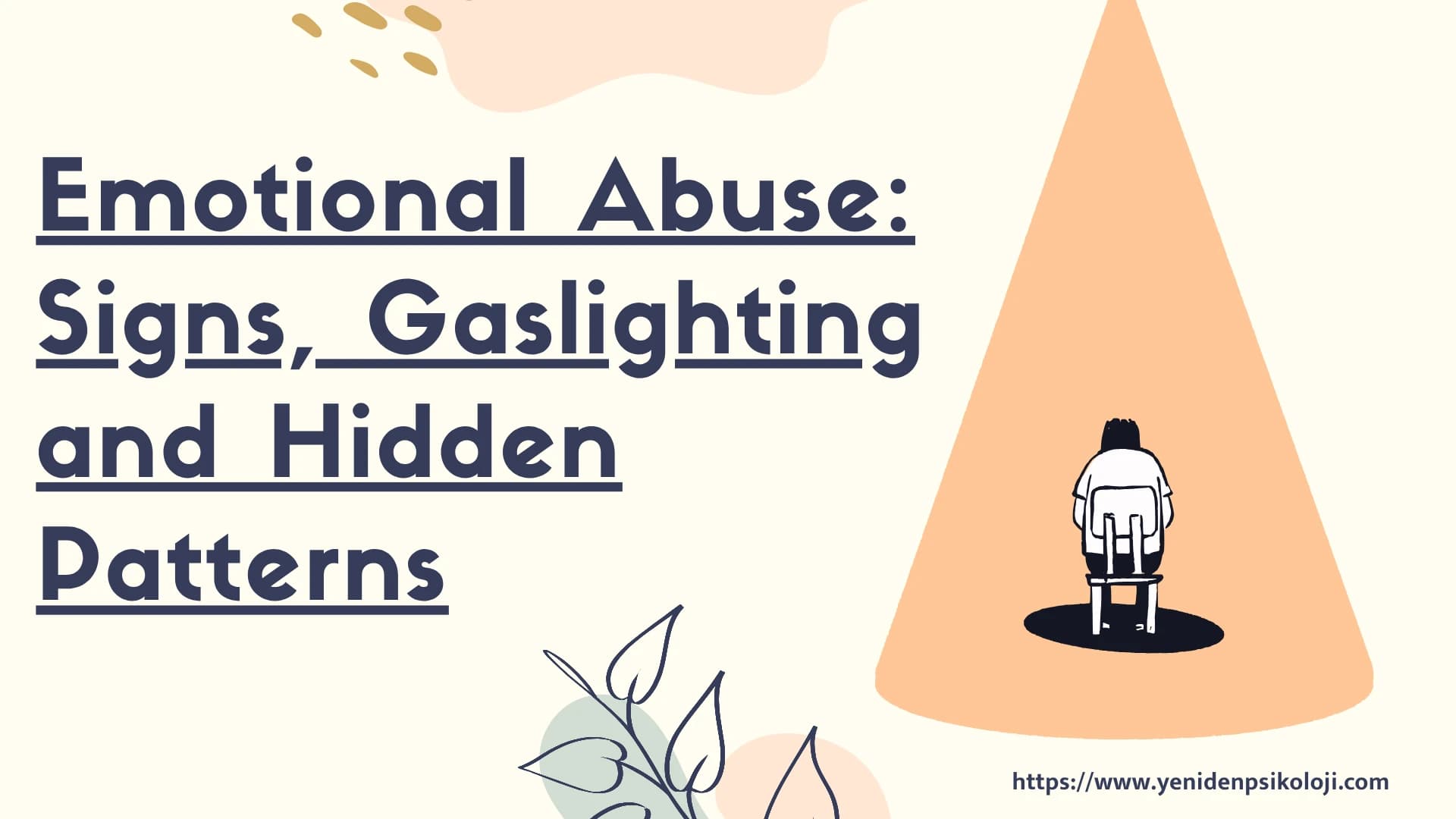
Emotional Abuse: Signs, Gaslighting and Hidden Patterns
Emotional abuse can be difficult to recognize. Learn how manipulation, gaslighting, control, and isolation can affect self-esteem, trust, and relationships.
Read more →Articles, resources, and counseling-related content.
7 articles found
Emotional abuse can be difficult to recognize. Learn how manipulation, gaslighting, control, and isolation can affect self-esteem, trust, and relationships.
Read more →
Modern pressures are driving widespread anxiety and burnout, impacting both mental and physical health. Drawing on insights from Dr. Ellen Vora's The Anatomy of Anxiety, this post explores how anxiety acts as an inner compass signaling when our lives are out of alignment. By setting boundaries, prioritizing rest, and creating supportive workplaces, we can turn anxiety into a catalyst for a healthier, more authentic life.
Read more →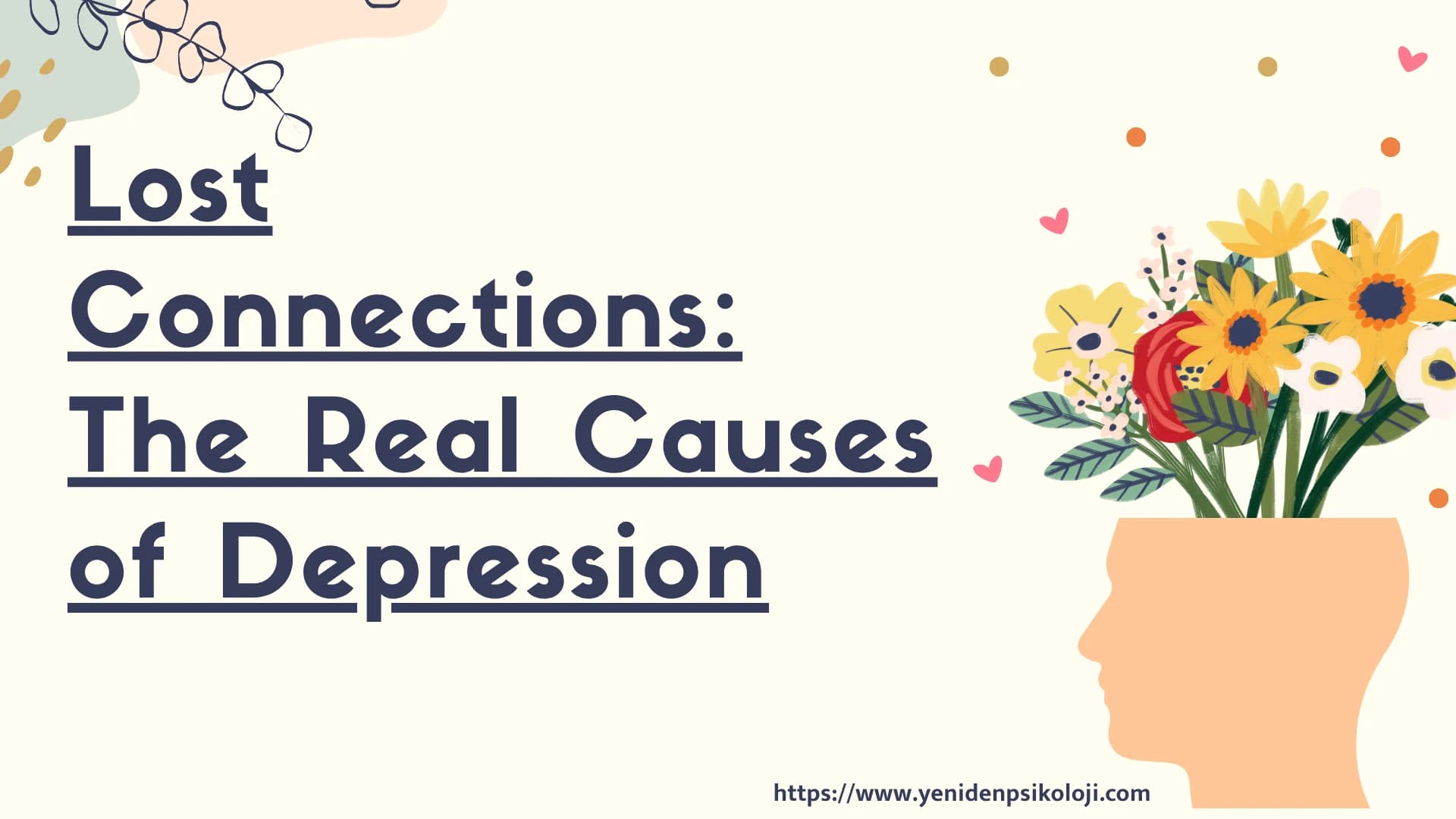
A comprehensive analysis of Johann Hari’s "Lost Connections," exploring how social, psychological, and environmental disconnections cause depression and anxiety, and offering unexpected, community-driven solutions for healing.
Read more →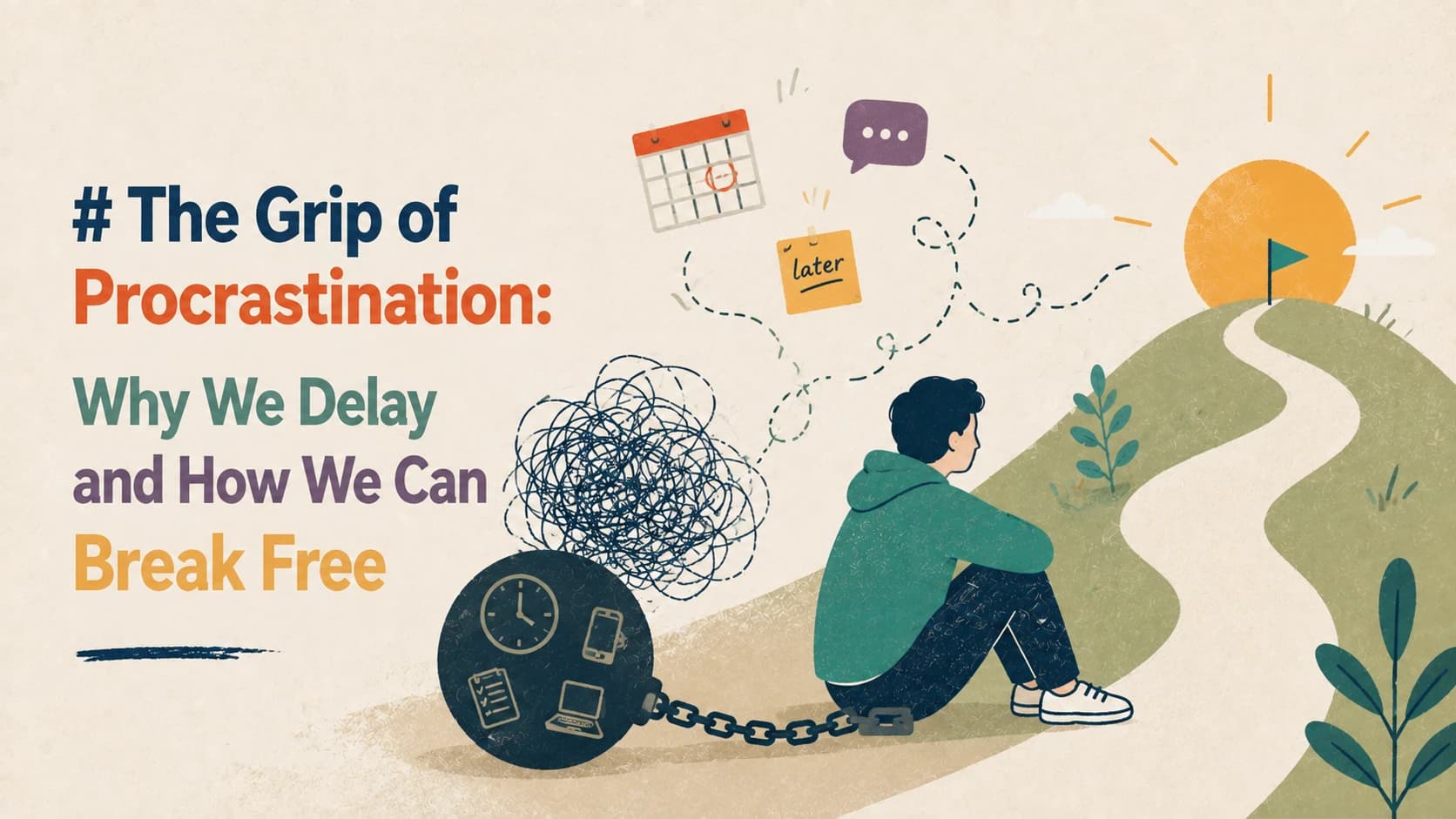
This text explores procrastination not merely as a time management issue or laziness, but as a complex behavior rooted in psychological factors like perfectionism, fear of the unknown, and lack of motivation. Drawing on Steve Scott's How to Stop Procrastinating, it provides actionable strategies—such as setting SMART goals, the two-minute rule, and accountability sharing—while emphasizing that seeking professional counseling and viewing recovery as a continuous journey are vital for long-term success.
Read more →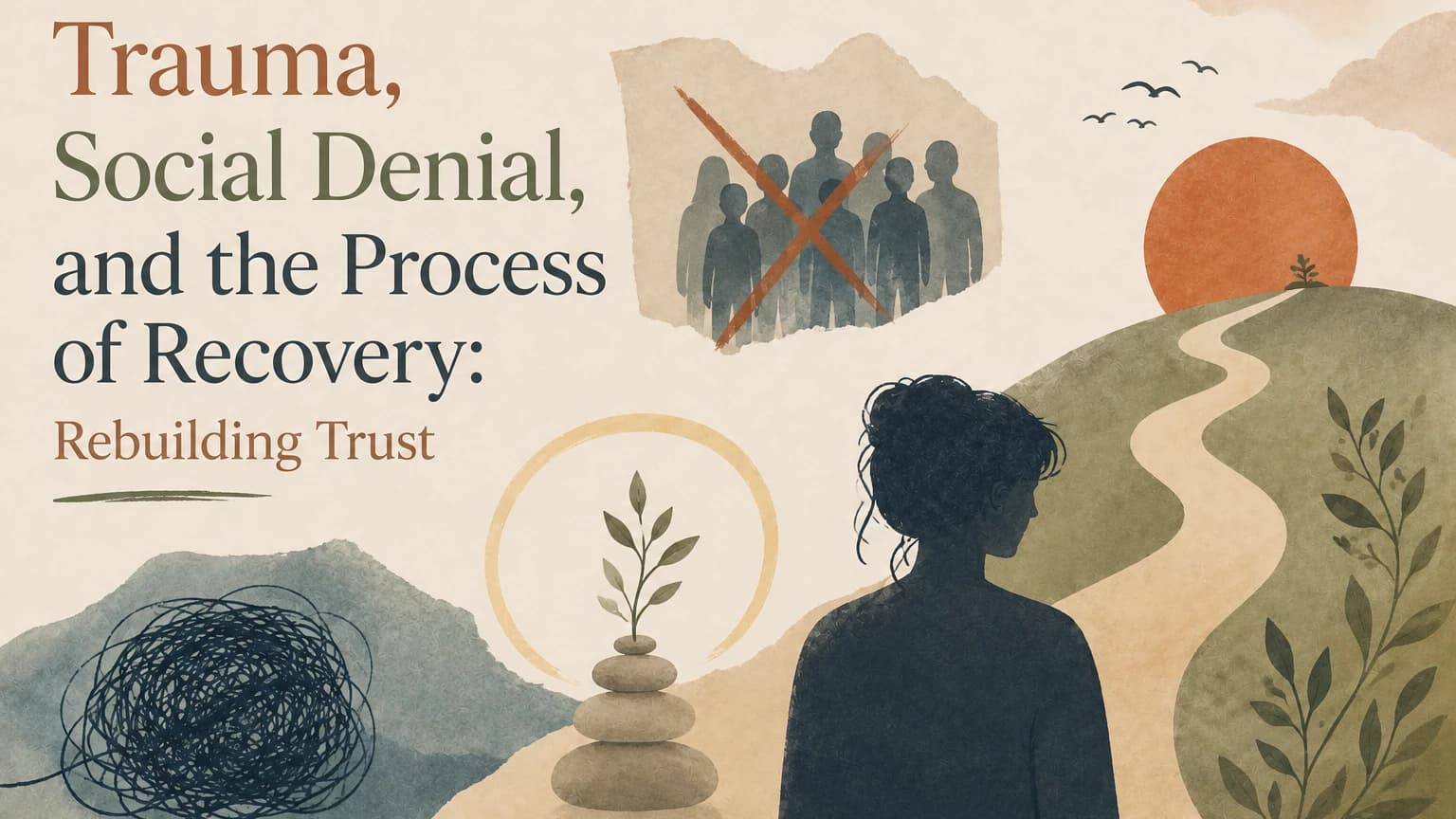
This article explores the lasting effects of trauma on individuals and society, emphasizing how traumatic experiences can impact emotional well-being, trust, relationships, and mental health. It also examines the social dynamics surrounding trauma, including denial, silence, and the challenges survivors face, while highlighting the importance of rebuilding trust and creating supportive environments for healing.
Read more →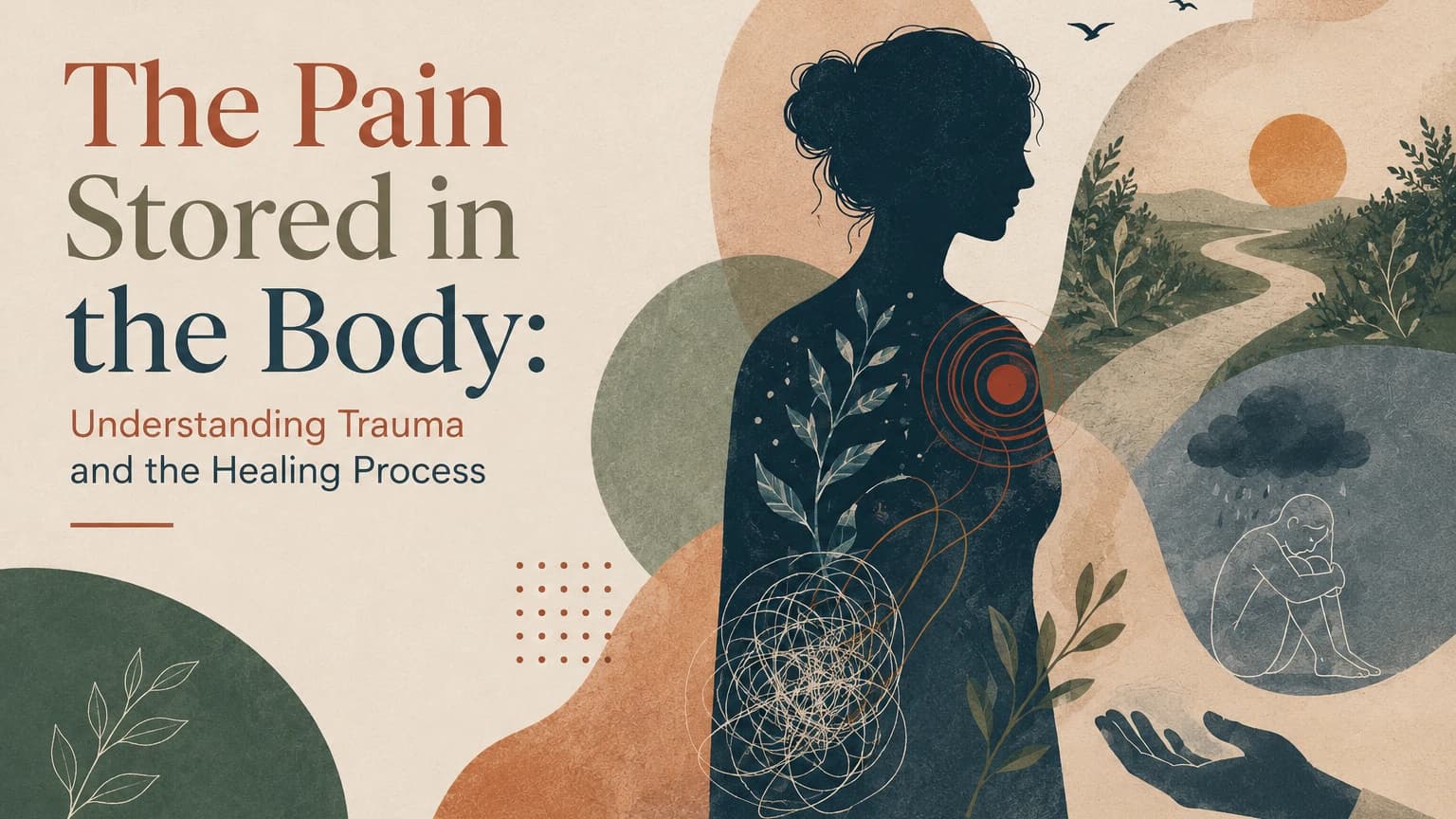
This article explains why trauma does not remain in the past, exploring how the brain’s alarm system, amygdala, hippocampus, and prefrontal cortex keep the nervous system in a state of hypervigilance, and how healing restores balance over time.
Read more →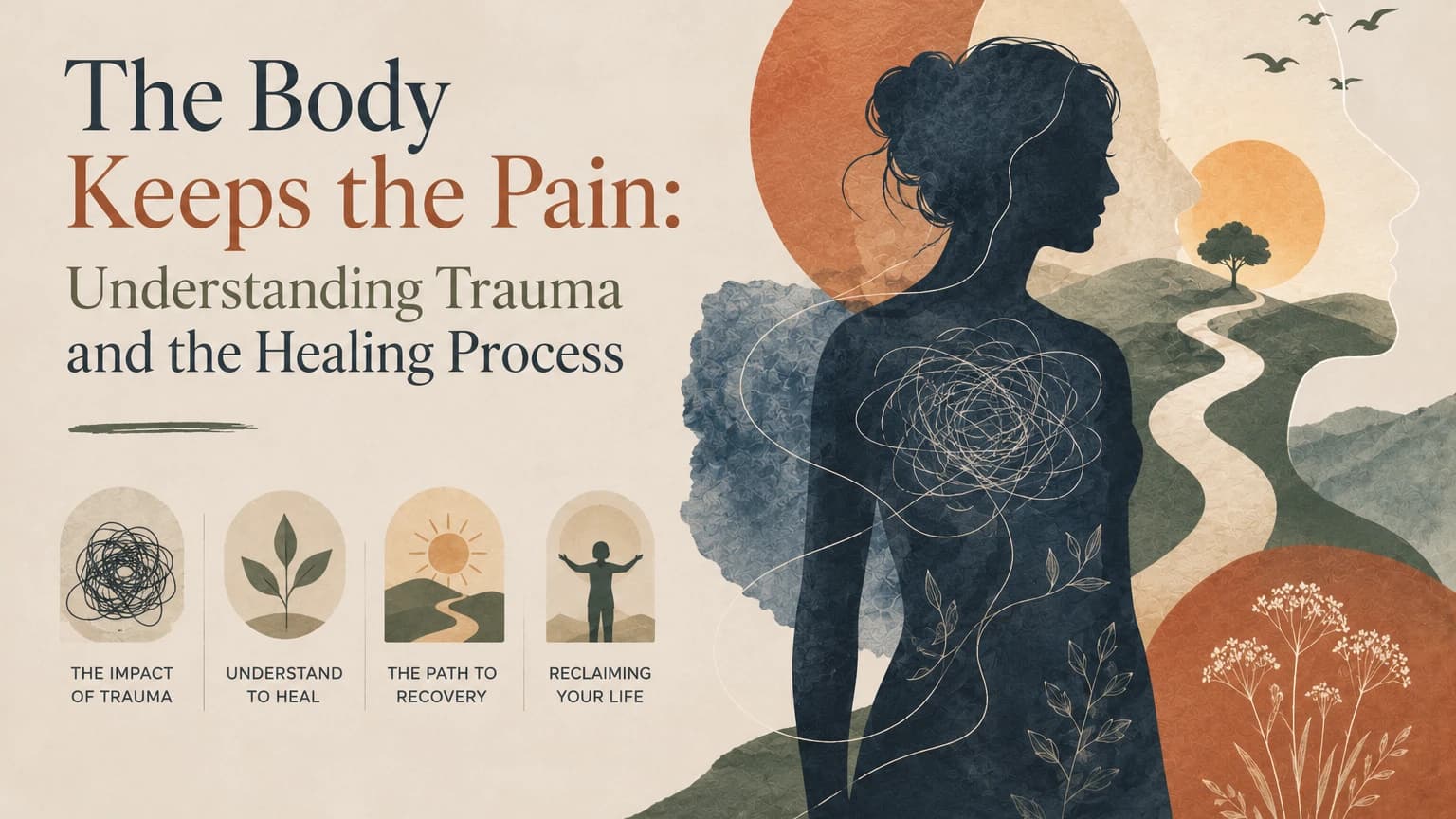
Trauma is more than a painful event from the past—it is a multidimensional experience that can leave lasting imprints on the mind, brain, and body. This article explores how trauma affects connection, relationships, and emotional well-being, while highlighting how healing can emerge through safety, human connection, and a holistic approach.
Read more →The content on this website is for general information only and does not constitute medical advice, diagnosis, or treatment, nor is it a substitute for consultation with a physician. Always consult a qualified physician regarding any current or planned medical or pharmacological treatments.