
31 August 2026
Emotional Abuse: Signs, Gaslighting and Hidden Patterns
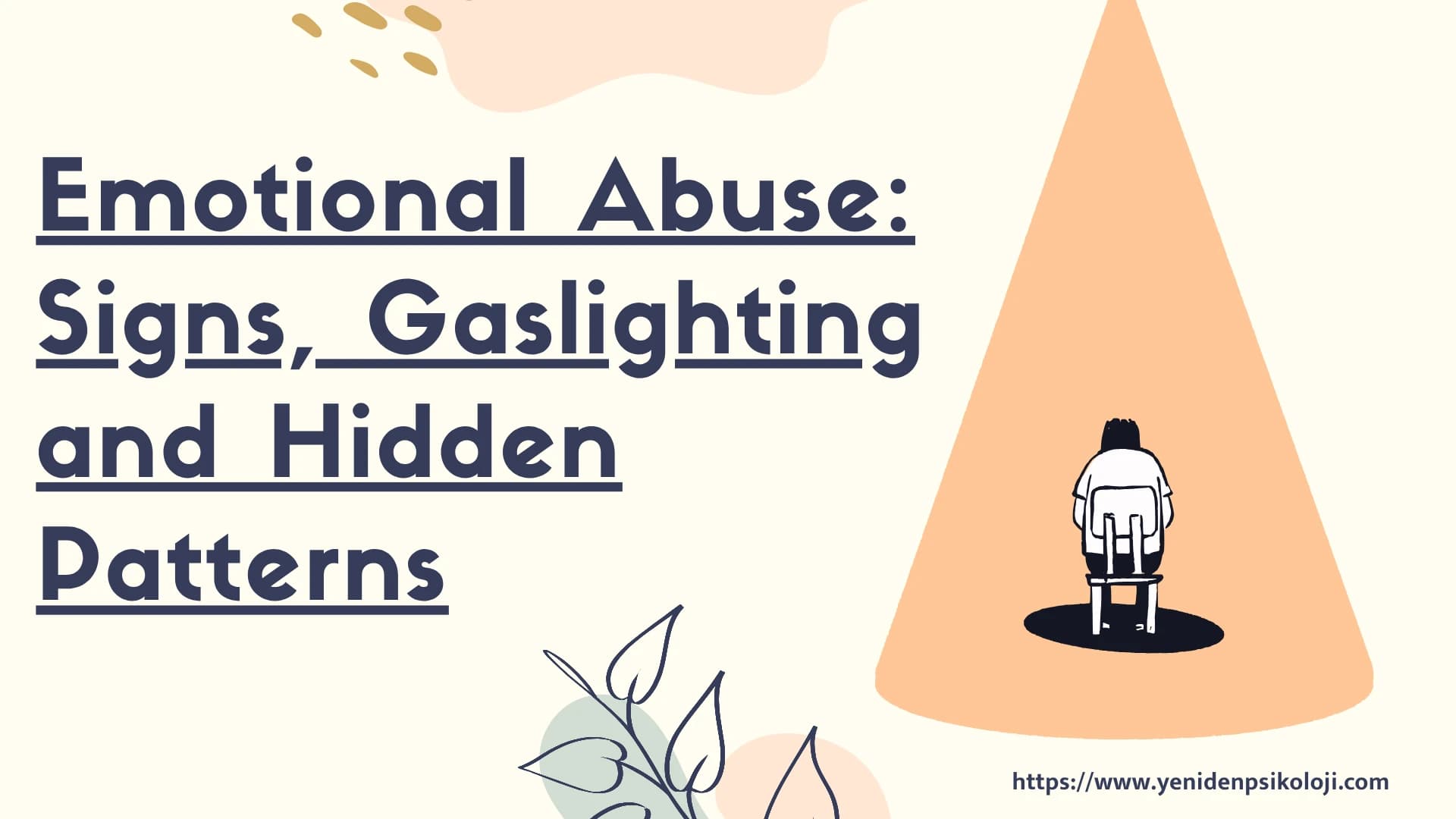
Invisible Chains: Understanding Emotional Abuse
When people think of abuse, physical violence is often the first thing that comes to mind. Yet emotional abuse can be more subtle and leave equally deep wounds. Bruises and physical injuries are visible signs of abuse. Emotional abuse, on the other hand, may leave no physical marks, but its psychological impact can be just as damaging.
The Devastating Effects of Emotional Abuse
Unlike physical abuse, emotional abuse involves verbal and emotional forms of harm such as manipulation, humiliation, control, gaslighting, and isolation, which can gradually undermine a person’s self-esteem, confidence, and sense of self. It is an insidious form of abuse that may accumulate over time, leaving profound psychological wounds that can be no less devastating than the effects of physical violence.
High-Functioning Women and Emotional Abuse
In her book The Many Faces of Abuse: Treating the Emotional Abuse of High-Functioning Women, Joan Lachkar explores the complexities of emotional abuse, particularly as it affects high-functioning and successful women. Challenging the widespread assumption that successful women are somehow immune to abuse, Lachkar draws attention to the hidden struggles they may experience within intimate relationships. Her work raises important questions about how society associates success with confidence and independence, and how these assumptions can affect women experiencing emotional abuse.
The Hidden Battleground
Despite appearing successful and capable from the outside, high-functioning women may still be vulnerable to emotional abuse in intimate relationships. Societal expectations that they should “know better” or “just leave” can prevent them from seeking help or even recognizing that what they are experiencing is abuse. Because these women are often perceived as strong and independent, acknowledging the abuse themselves can become even more difficult.
They may begin to develop false beliefs that the abuse is somehow their fault or that they have done something to deserve the way they are being treated. Lachkar emphasizes that experiencing emotional abuse is not a reflection of a woman’s intelligence or abilities. Rather, emotionally abusive relationships can involve a complex interaction of psychological factors and social pressures.
The Complex Relationship Between the Victim and the Abuser
Lachkar introduces the concept of the “dance of abuse” to describe the dynamic interaction between the abuser and the person being abused. This dance involves a complex exchange of projections and identifications, in which both partners take on roles within a pattern that perpetuates the cycle of abuse.
The abuser may use tactics such as manipulation, gaslighting, and emotional neglect to undermine the victim’s sense of self-worth and maintain control. Because emotional abuse can be subtle and intricately woven into the relationship, the victim may struggle to recognize these behaviors for what they are and may instead become caught in a cycle of self-blame, doubt, and confusion. Lachkar also describes different types of abusers and the patterns of abuse associated with them.
Breaking the Cycle of Emotional Abuse
Lachkar’s work also offers hope and guidance for high-functioning women who feel trapped in emotionally abusive relationships. She emphasizes the importance of recognizing the signs of emotional abuse, breaking the silence, and seeking professional support.
Therapy can help women better understand the dynamics of their relationships, rebuild their self-worth, and develop healthier ways of coping. The book also offers insights for therapists, highlighting the importance of an empathic and supportive therapeutic approach when working with people who have experienced emotional abuse.
Recognizing Emotional Abuse and Seeking Help
Emotional abuse can affect women from all walks of life, including those who appear from the outside to “have it all.” The Many Faces of Abuse brings greater visibility to this often hidden form of abuse and offers guidance to those who may be suffering in silence.
The book explores how high-functioning women experience emotional abuse and how these experiences can affect their self-esteem and overall psychological well-being. It serves as a powerful reminder that no one is immune to abuse and that seeking help is not a sign of weakness, but an important step toward reclaiming one’s life and sense of self-worth.
This blog post was prepared with reference to Joan Lachkar’s book The Many Faces of Abuse: Treating the Emotional Abuse of High-Functioning Women.
The content on this website is for general information only and does not constitute medical advice, diagnosis, or treatment, nor is it a substitute for consultation with a physician. Always consult a qualified physician regarding any current or planned medical or pharmacological treatments.
Related articles
Trauma, Social Denial, and the Process of Recovery: Rebuilding Trust
This article explores the lasting effects of trauma on individuals and society, emphasizing how traumatic experiences can impact emotional well-being, trust, relationships, and mental health. It also examines the social dynamics surrounding trauma, including denial, silence, and the challenges survivors face, while highlighting the importance of rebuilding trust and creating supportive environments for healing.
Read more →
The Body Keeps the Pain: Understanding Trauma and the Healing Process
Trauma is more than a painful event from the past—it is a multidimensional experience that can leave lasting imprints on the mind, brain, and body. This article explores how trauma affects connection, relationships, and emotional well-being, while highlighting how healing can emerge through safety, human connection, and a holistic approach.
Read more →